
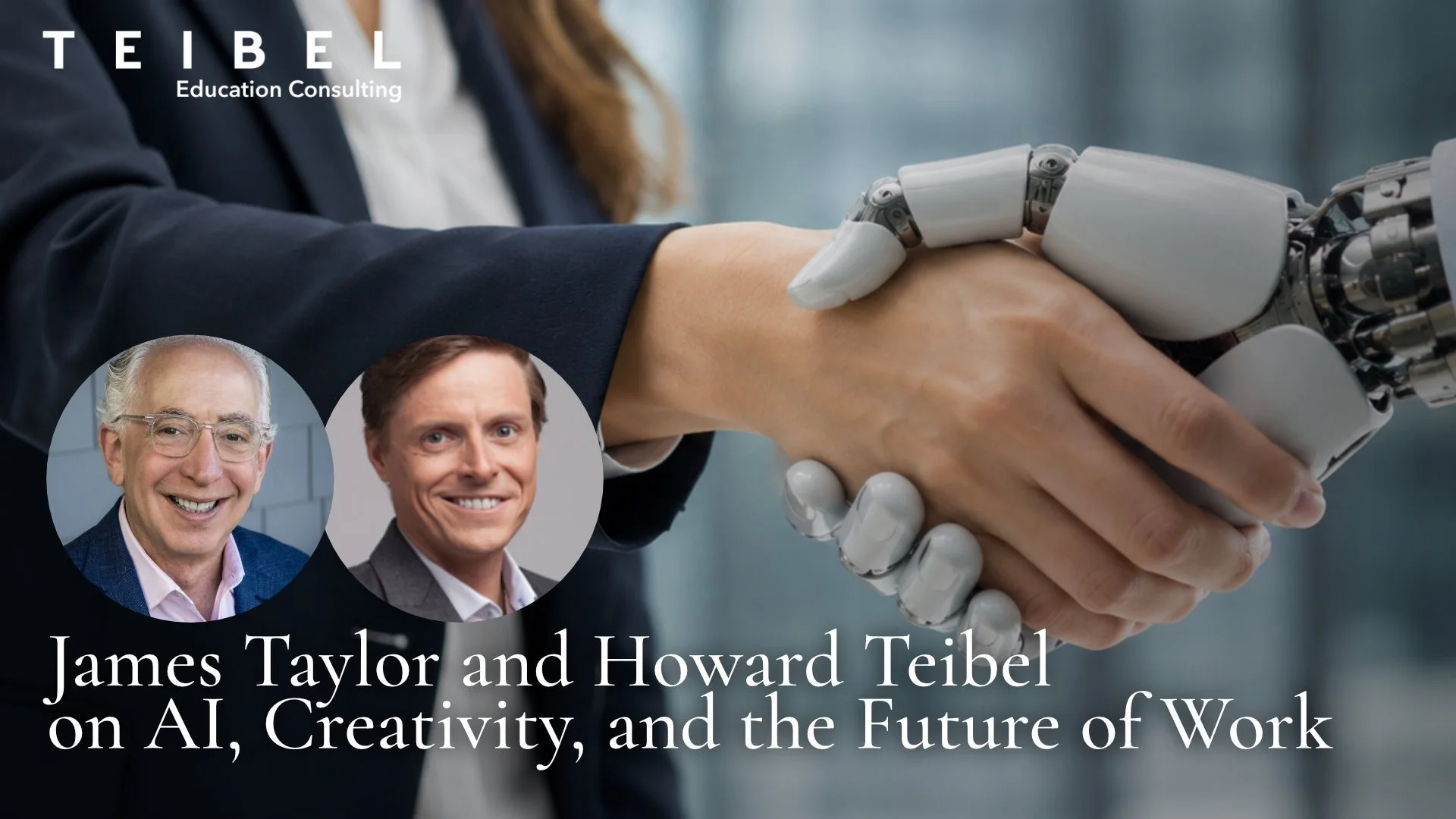
In 1997, Garry Kasparov lost a chess match to IBM’s Deep Blue. The easy story was that the machine had won and the human had lost.
Kasparov saw something different. What if the future of chess was not human versus machine, but human plus machine?
He called it advanced or centaur chess. And when skilled amateurs using ordinary computers began outperforming both grandmasters and machines, a new possibility emerged: the strongest player was not the human or the computer, but the quality of the partnership between them.
That is the question now facing higher education.
AI is no longer a future technology. It is entering the daily work of institutions - from finance and enrollment to advising, communications, and operations. The question is not whether AI will matter. It already does.
The leadership challenge is different:
How do we use these tools without surrendering judgment?
How do we move faster without losing the human connection?
How do we create space for our teams to explore these questions together?
Too often, conversations about AI remain confined to technology experts and early adopters. Yet its impact will be felt across every organization and at every level. Leaders who engage their teams in these conversations build trust and buy-in necessary for meaningful adoption and practical use. Those who avoid these conversations risk falling behind - not only in leveraging new capabilities, but in preparing their people for a rapidly changing future.
This week on Navigating Change, Howard Teibel and James Taylor, global keynote speaker and former music industry executive, sit down to discuss these critical questions.
James and Howard offer a compelling reframing for higher education: the future of leadership goes beyond good management. It is orchestration, openness, and curiosity. In the conversation, they challenge leaders to view AI not as a technical concern, but as a leadership responsibility to engage their teams to bring curiosity and openness.
Links and Resources